Wheel Guide
Wheel fitment starts with five numbers: diameter, width, offset, PCD and center bore. This guide explains what each one means, how tire size relates to them, and which checks still need a wheel shop.
 Generate
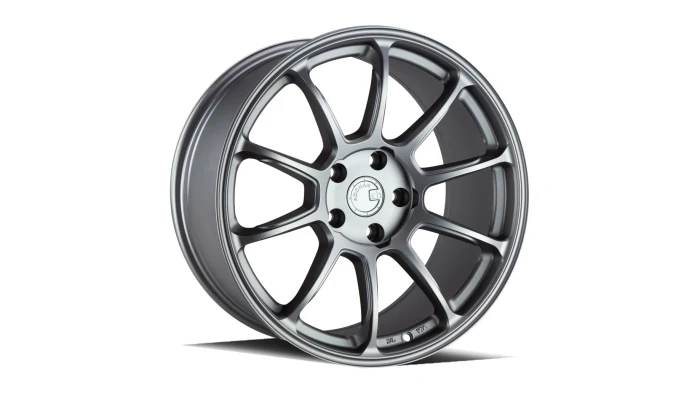
What do wheel size numbers mean?
Wheel size is written as diameter × width in inches. An 18 × 8.5 wheel is 18 inches in diameter and 8.5 inches wide.
Diameter changes how the wheel looks and how much sidewall you have. Width changes the tire and the clearance inside the arch.
| Term | What it means | Why it matters |
|---|---|---|
| Diameter | Wheel height in inches, commonly 15 to 22. | Changes the look and the tire sidewall. |
| Width | Distance between the rim edges. | Changes the tire, stretch and clearance. |
| Offset (ET) | Mounting face to wheel centerline, in mm. | Moves the wheel in or out. |
| PCD | Bolt count and bolt circle, such as 5x114.3. | Must match the car. |
| Center bore | The hole in the back of the wheel. | Must match the hub, or use the right rings. |
What are offset, PCD and center bore?
Offset (ET) is the distance from the mounting face to the wheel centerline, in millimeters. PCD is the bolt pattern, and center bore is the hole that fits over the hub.
A lower offset pushes the wheel outward; a higher offset pulls it in. PCD, such as 5x114.3, must match the car, and center bore must match the hub or use the right centering rings.
- Check the bolt pattern before anything else.
- Use centering rings only when they match the hub and the wheel.
- Lower offset is not automatically better. It can move the tire into the fender.
What does a tire size like 225/45R17 mean?
225/45R17 means a 225 mm tire width, a sidewall height that is 45% of the width, and a 17-inch wheel.
When you change wheel diameter, the sidewall usually changes too, so the overall tire diameter stays close to the original.
A preview can show the look. It cannot calculate tire diameter or clearance.
What should you check before buying wheels?
Before you order, confirm PCD, center bore, offset and backspace, brake clearance, tire size, and the hardware that holds the wheel.
If the car is lowered, has big brakes or runs a staggered setup, add those checks before you order.
- PCD and bolt pattern match.
- Center bore matches, or the correct centering rings are used.
- Offset and backspace clear the suspension, brakes and inner arch.
- Spokes clear the brake calipers.
- Tire size, load index and speed rating suit the car.
- Lug bolts or nuts, thread and torque are correct.
- TPMS sensors and valve hardware are planned.
- A wheel shop confirms the fit on the car.
Which wheel finish and construction should you choose?
Finish is mostly cosmetic; construction affects weight, strength and price. Pick a finish for the look you want and a construction that suits your use, budget and roads.
Cast wheels are common and affordable. Flow-formed wheels are lighter and stronger. Forged wheels are the lightest and strongest, at a higher price.
How can you see a wheel on your car before buying?
Upload one photo of your car and one photo of the wheel, and NICE RIM previews the wheel on your car. The numbers tell you what fits; the preview tells you whether you like the look.
Frequently asked questions
What does offset mean on a wheel?
Offset (ET) is the distance from the mounting face to the wheel centerline, in millimeters. Lower offset moves the wheel outward; higher offset moves it inward.
What is PCD?
PCD is the bolt pattern, usually written as bolt count times bolt circle, such as 5x114.3. It has to match the car.
Can I change wheel size without changing the tire?
Usually no. The tire has to match the wheel diameter, and the overall diameter should stay close to the original.
What is the difference between cast, flow-formed and forged wheels?
They are different ways of making a wheel. Cast is common and affordable, flow-formed is lighter and stronger, and forged is the lightest and strongest at a higher price.
Can a photo tell me if a wheel will fit?
No. A photo shows the look. Offset, PCD, brake clearance and tire size still need a proper check.
How do I choose a wheel finish?
Start with the paint and the brake calipers. Gloss, matte, silver, bronze and white read differently on the car; preview them if you can.
Standards and sources
This guide uses the wheel and rim vocabulary from ISO 3911 and the passenger-car tyre dimensions in ISO 4000-1. Fitment guidance also draws on ETRTO and TRA references.
Put a wheel on your car before you buy it.
Upload one car photo and one wheel photo. Keep the car, change the wheels.
Generate